Hydrangea Serrata: The Versatile Shrub That Will
Hydrangea serrata, also known as the mountain hydrangea or tea of heaven, is a deciduous shrub native to the mountainous regions of Korea and Japan. It is a popular ornamental plant in gardens around the world, prized for its delicate lacecap flowers and compact size.
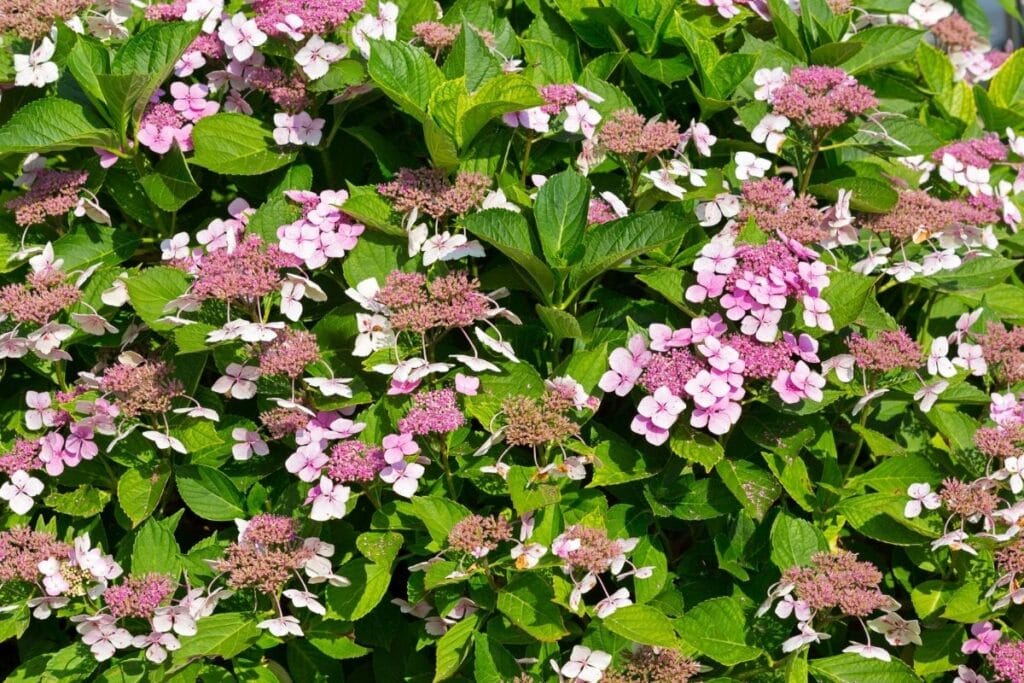
Mountain hydrangeas typically grow 2-4 feet tall and wide, with a rounded, bushy habit. The leaves are ovate, serrated, and dark green. The flowers are produced in flattened clusters (panicles) in mid- to late summer. The sterile florets in the center of the cluster are larger and showy, while the fertile florets on the outside are smaller and less noticeable. The color of the flowers can vary depending on the soil pH, with blue flowers in acidic soils and pink flowers in alkaline soils.
Mountain hydrangeas are relatively easy to care for. They prefer partial shade and well-drained soil. They are drought tolerant once established, but they will benefit from regular watering during the summer months. Mountain hydrangeas are also relatively pest and disease resistant.
One of the best things about mountain hydrangeas is their versatility. They can be used in a variety of garden settings, from small patios to large borders. They can also be grown in containers. Mountain hydrangeas are a beautiful addition to any garden, and they are sure to provide years of enjoyment.
Here are some additional details about mountain hydrangeas:
- Bloom time: Mid- to late summer
- Flower color: Blue, pink, or white (depending on soil pH)
- Plant size: 2-4 feet tall and wide
- Sun exposure: Partial shade
- Soil type: Well-drained soil
- Water needs: Regular watering during the summer months
- Pests and diseases: Relatively resistant
- Hardiness zone: 6-9
Here are some tips for growing mountain hydrangeas:
- Choose a location with partial shade and well-drained soil.
- Plant the shrub in the spring or fall.
- Water the shrub regularly, especially during the summer months.
- Fertilize the shrub in the spring and fall with a balanced fertilizer.
- Prune the shrub in the spring to remove dead or damaged branches.
- Protect the shrub from pests and diseases.
With proper care, mountain hydrangeas will thrive for many years and provide you with beautiful flowers each summer.
Hydrangea serrata, also known as the Japanese mountain hydrangea, is a deciduous shrub native to Japan and Korea. It is known for its delicate lacecap flowers that bloom in shades of white, pink, and blue. Hydrangea serrata is a relatively easy plant to care for and can be grown in USDA hardiness zones 5-9. It prefers full sun to partial shade and moist, well-drained soil.
If you are interested in learning more about hydrangea serrata, I recommend visiting the website . This website has a wealth of information about hydrangea serrata, including its history, care, and cultivation. You can also find photos of different hydrangea serrata cultivars, as well as tips on where to buy them.
FAQ of hydrangea serrata
1. What is hydrangea serrata?
Hydrangea serrata, also known as the Japanese mountain hydrangea, is a deciduous shrub that is native to Japan, Korea, and China. It is known for its attractive, serrated leaves and its showy, lacecap flowers that bloom in shades of white, pink, and blue. Hydrangea serrata is a relatively hardy plant that can tolerate a wide range of growing conditions, but it prefers moist, well-drained soil and full to partial sun.
2. How do I care for hydrangea serrata?
Hydrangea serrata is a relatively easy plant to care for. It needs regular watering, especially during the first year after planting. It also benefits from being fertilized in the spring and fall. In terms of pruning, hydrangea serrata should be pruned in the late winter or early spring. This will help to promote new growth and encourage flowering.
3. Why are my hydrangea serrata leaves turning brown?
There are a few reasons why your hydrangea serrata leaves might be turning brown. One possibility is that the plant is not getting enough water. Another possibility is that the plant is not getting enough sunlight. Finally, the leaves could be turning brown due to a nutrient deficiency. If you are unsure of the cause of the brown leaves, it is best to consult with a gardening expert.
4. How do I propagate hydrangea serrata?
Hydrangea serrata can be propagated by taking stem cuttings in the spring or summer. To do this, simply cut a 4-6 inch section of healthy stem from the plant and remove the bottom leaves. Dip the cut end of the stem in rooting hormone and plant it in a pot of moist potting mix. Keep the pot in a warm, well-lit location and water the cutting regularly. Once the cutting has developed roots, it can be transplanted into the garden.
5. How do I start a hydrangea serrata from seed?
Hydrangea serrata seeds can be started indoors in the spring. Sow the seeds in a shallow pot of moist potting mix and cover them with a thin layer of soil. Place the pot in a warm, well-lit location and keep the soil moist. The seeds should germinate in 2-4 weeks. Once the seedlings have developed a few sets of leaves, they can be transplanted into individual pots. The seedlings can be planted in the garden in the fall or spring.
Image of hydrangea serrata
5 different images of "hydrangea serrata" from Pinterest:
- A white hydrangea serrata in full bloom, with its delicate petals cascading down the stem.

- A close-up of a hydrangea serrata flower, showing its intricate petals and stamens.

- A hydrangea serrata in bloom in a garden, surrounded by other flowers.
- A hydrangea serrata in fall, with its leaves turning shades of red, orange, and yellow.

- A hydrangea serrata bonsai tree, with its small, delicate leaves and flowers.

Post a Comment for "Hydrangea Serrata: The Versatile Shrub That Will"